


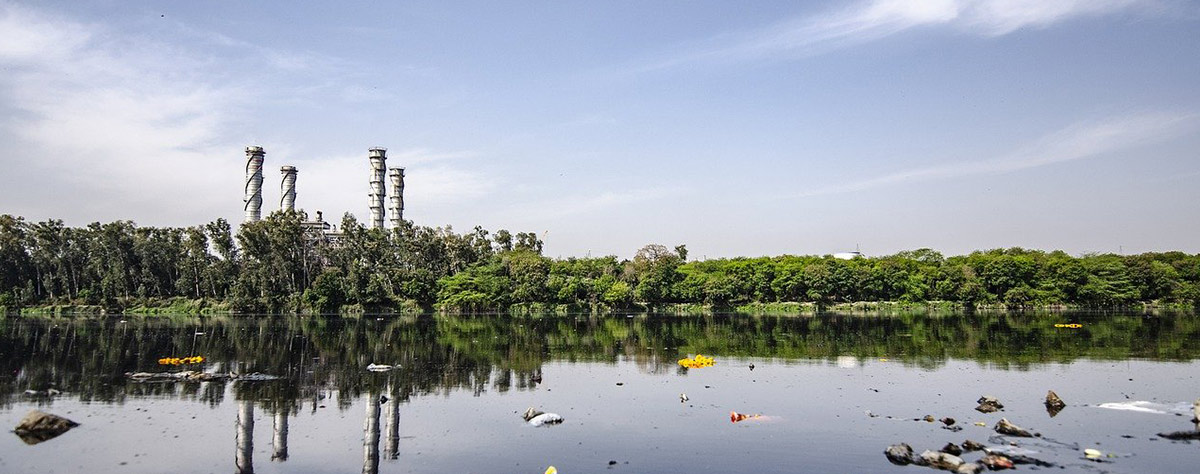
Directive 2004/35 / EC on environmental liability in relation to the prevention and remediation of environmental damage.
What is the purpose of the directive?
The directive lays down rules based on the “polluter pays” principle. This means that a company causing environmental damage is liable for it and must take the necessary prevention or remedial measures and bear all relevant costs.
Basic points
Under the directive, environmental damage is defined as follows:
damage seriously affecting the environmental (ecological, chemical or quantitative) state of water resources as defined in Directive 2000/60 / EC, the EU Water Framework Directive and Directive 2008/56 / EC, the Directive on the strategy for the marine environment;
soil damage that poses a serious risk to human health;
damage to protected species and natural habitats which adversely affects conservation as defined in Directive 2009/147 / EC on the conservation of wild birds and Directive 92/43 / EEC, the Habitats Directive.
The definition includes the discharge of pollutants into the atmosphere (as such discharge affects soil or water conditions), inland surface water and groundwater, as well as any deliberate release into the environment of genetically modified organisms as defined in Directive 2001/18 / EC. FROM.
Field of application
There are two scenarios in which liability arises:
1.
Environmental damage caused by any of the activities listed in Annex III to the Directive, such as:
energy industries
production and processing of metals
mineral industries
chemical industries
waste management
large-scale pulp, paper and cardboard industries, textile dyehouses and tanneries
large-scale meat, dairy and food industries.
2.
Environmental damage to protected species and natural habitats (or imminent threat) caused by occupational activities other than those listed in Annex III and if the company has acted intentionally or negligently.
Exceptions
Exceptions include: armed conflict, natural disaster, liability for environmental damage covered by international treaties (eg marine pollution), and nuclear hazards covered by the Treaty on the European Atomic Energy Community (Euratom)
Prevention or remedial measures
If there is an imminent threat of damage, the company must take the necessary precautionary measures without delay.
If the damage has already been caused, the company must immediately inform the authorities and take measures to manage the situation in order to prevent further environmental damage and threats to human health and, finally, to take appropriate remedial measures.
The company has to pay for prevention and remedial actions, except in certain circumstances, for example, if the damage was caused by a third party, despite the existence of appropriate security measures, or if it arose out of compliance with a formal order.
Application
The 2016 implementation report examined the experience from the implementation of the Directive between 2007 and 2013, including the evaluation carried out in the framework of REFIT, the European Commission’s regulatory adequacy and efficiency improvement program.
The report confirms that, while the directive has not yet been fully implemented, it has been effective in repairing environmental damage and providing incentives for prevention.
Amendment of Regulation (EU) 2019/1010
The Directive was amended in 2019 by Regulation (EU) 2019/1010 which aligns and streamlines reporting obligations under environmental legislation. The new rules that came into force, which apply from June 26, 2019, are the following.
EU countries report to the Commission on their experience in implementing this Directive. The information they have to provide is in Annex VI of the Directive, and must be collected by 30 April 2022 and every five years thereafter.
By 30 April 2023, and every five years, the Commission shall publish its assessment of this Directive, on the basis of information provided by EU countries.
By 31 December 2020, the Commission should draw up guidelines to ensure a common understanding of the term “environmental damage” as defined in this Directive.
Read the whole instruction or download the pdf
Download the instruction here in pdf or follow the link and go to the article with the Instruction “The Pollinator Pays”