


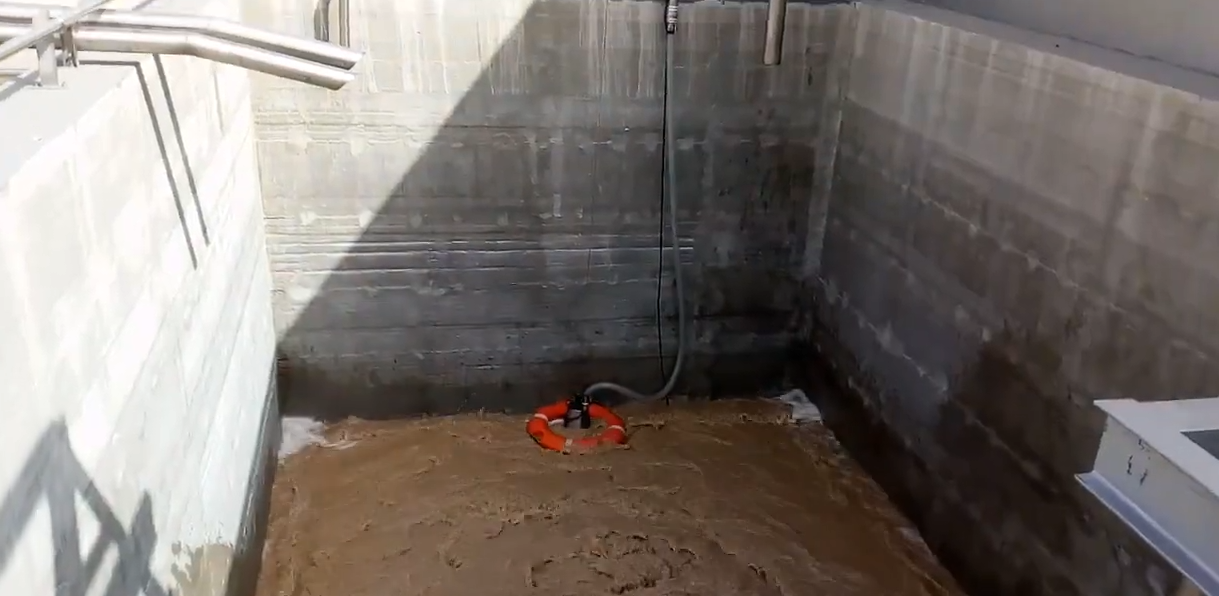
Sludge thickening is an important process in the context of biological wastewater treatment. This process focuses on reducing the mud’s moisture, creating a more concentrated mass that is easier to handle and dispose of.
During biological wastewater treatment, microorganisms such as bacteria and other microbes are used to break down organic matter and turn the waste into sludge. This sludge contains a liquid part as well as solid particles such as soil, sand and waste.
In order for sludge to be managed and stored successfully, it needs to be thickened. During the thickening process, the sludge is subjected to a series of treatments aimed at removing the excess fluid.
Sludge thickening has many benefits for biological wastewater treatment. First, it reduces the volume of sludge, saving space in disposal facilities. Second, more concentrated sludge is easier to handle and transport. Finally, thickening allows the recycling of the removed liquid, reducing water and energy consumption.
Overall, sludge thickening is an important process in biological wastewater treatment, helping to create a more concentrated sludge mass that is easier to handle and dispose of. Thickening contributes to the efficiency and sustainability of biological wastewater treatment.
For biological wastewater treatment facilities, contact the experts! Click here