


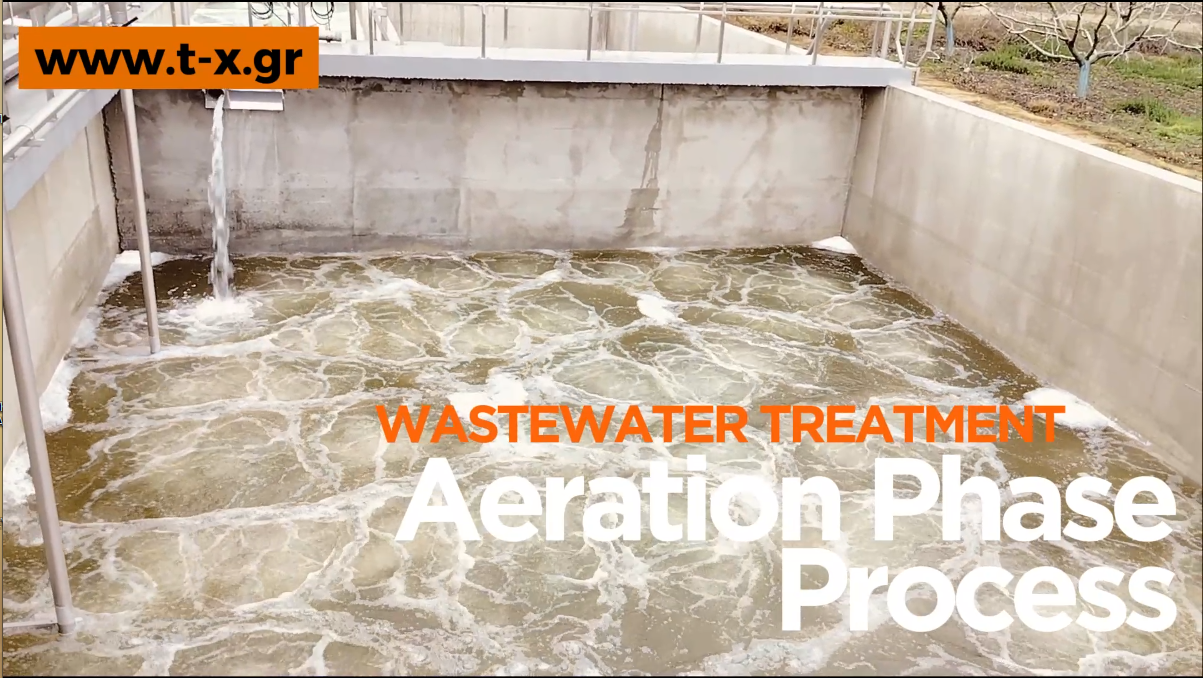
The aeration stage is a fundamental part of the biological wastewater treatment process in a dairy facility, as it facilitates the degradation of organic pollutants by aerobic microorganisms. Wastewater generated from dairy production contains high concentrations of organic matter, including proteins, fats, and lactose, all of which must be removed prior to discharge or water reuse.
During this stage, the mixture of wastewater and activated sludge is supplied with oxygen through aeration systems, which may include air diffusers or mechanical aerators. These systems ensure the proper conditions for microbial activity and promote efficient treatment.
The aeration process allows bacteria and other microorganisms to consume organic substances, converting them into carbon dioxide, water, and new biomass. Aeration must be carefully regulated to maintain optimal dissolved oxygen levels. Excessive aeration leads to increased energy consumption, while insufficient oxygen can trigger unwanted anaerobic processes and unpleasant odors. Additionally, factors such as temperature, pH, and pollutant concentration influence the efficiency of the process, making continuous monitoring and adjustment of operating parameters essential.
Following aeration, the biomass and suspended solids are removed in a secondary sedimentation tank, where the activated sludge is either recirculated back into the system or removed as excess sludge. Efficient operation of the aeration stage is crucial for the overall effectiveness of the dairy wastewater treatment system, contributing to environmental protection and compliance with regulatory standards.