


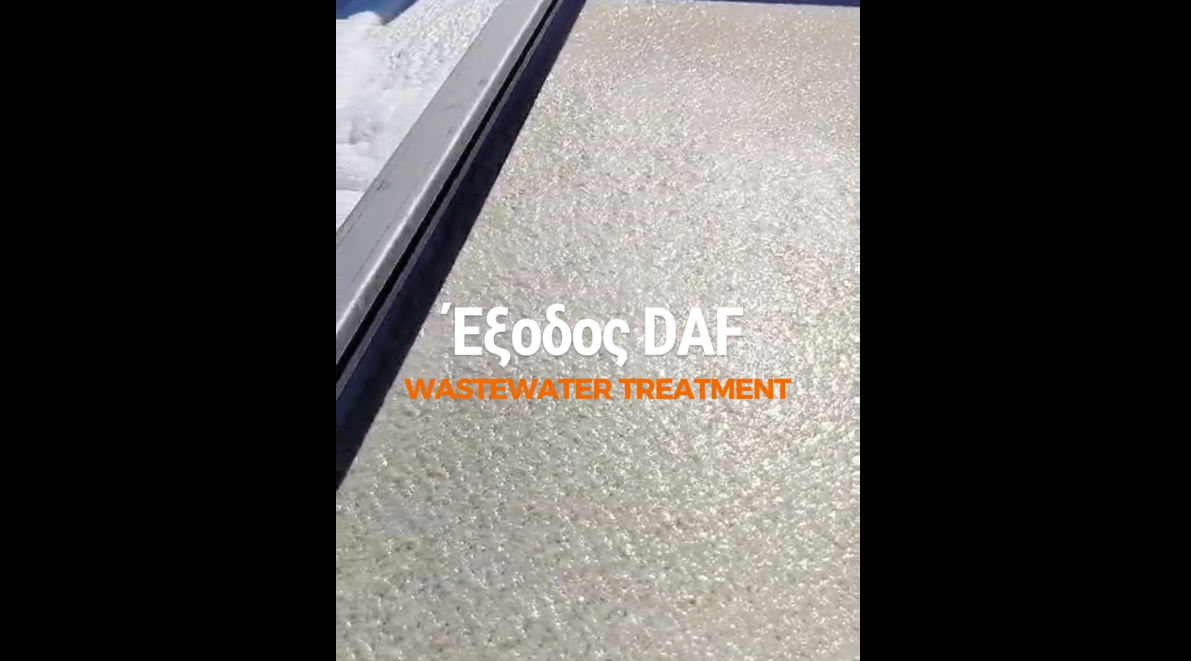
The effluent discharged from the Dissolved Air Flotation (DAF) system, when the unit operates correctly, represents a critical stage in wastewater treatment—particularly in industrial and municipal facilities. The DAF system is employed to remove suspended solids, oils, and greases through a process where fine air bubbles bind with particles, causing them to float to the surface for removal.
When properly operated, the DAF produces an effluent with significantly reduced pollutant loads, ensuring that the subsequent biological treatment stage can more efficiently process organic matter and dissolved nutrients without the risk of overload.
The quality of the DAF effluent plays a decisive role in the performance of the biological treatment phase, as it limits the input of lipids and solids that could disrupt microbial activity. If pollutant removal is sufficient, the biological stage can achieve high degradation rates of organic compounds and ammoniacal nitrogen, contributing to an overall improvement in the quality of treated wastewater.
Furthermore, proper operation of the DAF system can reduce excess sludge production and improve the overall efficiency of the treatment facility, leading to more effective and cost-efficient wastewater management.